Municipalities: Don’t Let Water Go to Waste. Switch to HDPE.

IMG_6853

Municipal water loss is nothing new. But that doesn’t mean utilities have to accept it as the cost of doing business. The right piping system can make a major difference. Gajeske has seen it firsthand.

Leaks waste more than water. Every gallon lost underground has already cost money to treat and move through the system. Utilities are paying for the energy, chemicals, pumping, and infrastructure required to deliver water that never reaches the customer.

In the water industry, it’s called non-revenue water. In plain English, it means you fronted the cost to produce and treat the water but won’t get any revenue in return.

Over time, those losses can add up fast and put even more pressure on already tight municipal budgets.

It All Starts with Infrastructure

Municipal water systems take a beating. Miles of underground pipe spend decades dealing with shifting soil, elevation changes, corrosion, aging connections, and constant pressure. Eventually, weak points show themselves.

Replacing an entire system at once usually isn’t realistic. But every repair, replacement, or expansion is an opportunity to build something more reliable.

And one of the best places to start is at the joints.

When the Joints Fail, Water Follows

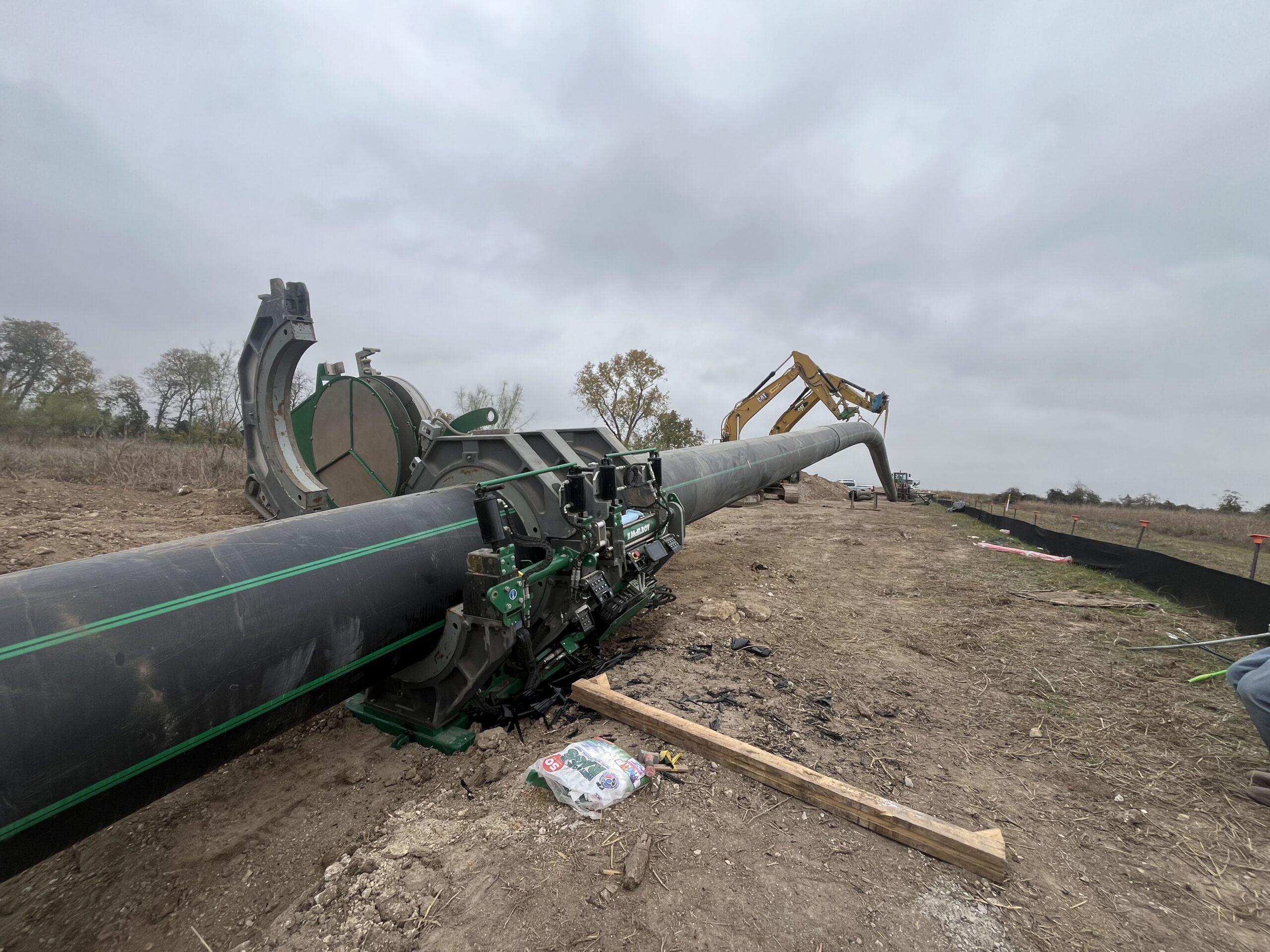
A piping system is only as reliable as its connections. With properly heat-fused high-density polyethylene (HDPE) pipe, the pipe and fittings become one continuous system. No gasketed joints pulling apart mean fewer potential leak points underground.

HDPE pipe also resists corrosion, abrasion, and chemical buildup, giving municipalities a piping system built for the long haul.

But what does it look like in the real world? Ask Lago Vista.

How Gajeske Helped Lago Vista Cut Water Loss from 38% to 3%

The Lago Vista Water Utility Company in the Texas Hill Country had a serious problem with water loss.

The terrain wasn’t helping. Homes and businesses sit primarily along ridges, forcing water lines down into valleys and back uphill again.

The utility was using gasketed pipe and PVC. During heavy rains, water entered the trenches and caused movement that pulled gasketed sections apart. The PVC pipes were also worn and cracking.

The result? Lago Vista was losing 38% of its water.

The utility turned to Gajeske to replace its old infrastructure with a fused polyethylene piping system. Without gasketed connections to separate, the continuous pipeline could better handle the movement and pressure conditions created by the Hill Country terrain.

Today, Lago Vista’s leak rate is down to 3%. That’s a lot more water staying where it belongs.

Hear the Lago Vista story in the words of our own Pipe Professor, Harvey Svetlik, P.E.

Related Posts

WE HAVE A ONE TRUCK MIND

At Gajeske, we know the gas distribution industry doesn’t allow for time to chase down parts from multiple vendors. That’s where our tooling truck kits roll in. We have everything your crew needs to get your polyethylene piping project done.

Read More